
Blog
-
Wprowadzanie CVC words z programem Jolly Phonics w pracy z grupą przedszkolną
Czytaj dalej: Wprowadzanie CVC words z programem Jolly Phonics w pracy z grupą przedszkolnąNauka języka angielskiego w przedszkolu to niezwykle ważny etap, który kładzie fundamenty pod dalszy rozwój umiejętności językowych dzieci. Jednym z kluczowych elementów, na którym warto się skupić, jest wprowadzanie tzw. CVC words (słowa składające się z układu spółgłoska-samogłoska-spółgłoska). W pracy z przedszkolakami doskonale sprawdza się w tym celu metoda Jolly Phonics, która jest interaktywna, angażująca i dostosowana do poziomu najmłodszych…
-
My first Jolly Phonics words
Czytaj dalej: My first Jolly Phonics wordsWith Jolly Phonics group 1 and 2 sounds, you can create a variety of simple words. Have a look at some examples below. Remember – these are just a few examples, and there are many more combinations possible. The exact number of words depends on the vocabulary level and the inclusion of plurals, compound words, or proper nouns. Enjoy!
-
Dobble na języku angielskim? YES!
Czytaj dalej: Dobble na języku angielskim? YES!Kontynuując temat 'Homophones’, o którym dość dużo było w ostatnich postach, dzisiaj chciałabym się z Wami podzielić grą Dobble. W zestawie znajdziecie 13 kart obrazkowych oraz 13 kart ze słówkami; najfajniejsze jest to, że możecie te dwa zestawy wymieszać. Jestem pewna, że Wasi uczniowie będą się świetnie bawić, a przy okazji zapamiętają chociaż kilka par homofonów.
-
Pomysł na lekcję fonetyki – homofony 🙂
Czytaj dalej: Pomysł na lekcję fonetyki – homofony 🙂Przeprowadzenie ciekawej lekcji o homofonach w szkole podstawowej może być wyzwaniem, ale jednocześnie daje wiele możliwości do kreatywnej pracy z uczniami. Oto kilka pomysłów, jak zorganizować taką lekcję. Gra „Znajdź homofon” Ćwiczenia w parach Tworzenie zdań Kreatywne pisanie Rysowanie homofonów Quiz na zakończenie Taka lekcja nie tylko nauczy uczniów, czym są homofony, ale również rozwinie ich umiejętność analizy językowej i…
-
HOMOPHONES
Czytaj dalej: HOMOPHONESHOMOPHONES are words that sound the same but have different meanings and often different spellings (e.g., „there,” „their,” and „they’re”). Because they sound identical when spoken, it can be challenging for students to differentiate them when writing or reading. This can lead to confusion, especially for students who rely heavily on phonics (sounding out words) to decode language. To help…
-

Rhyme Time!
Czytaj dalej: Rhyme Time!Starting and finishing the day with a familiar rhyme establishes a predictable routine, providing children with a sense of security and structure. Here are some examples.
-
Carpet time – 10 phonics game ideas
Czytaj dalej: Carpet time – 10 phonics game ideasCarpet time in a classroom is a great opportunity for interactive, whole-class activities that can engage students in phonics learning using the „Jolly Phonics” program. Here are ten ideas to make the most of this time: 1 Phonics Song and Dance Sing the Jolly Phonics songs for each letter sound, incorporating actions that represent each sound. This engages multiple senses…
-

Phonics Dice
Czytaj dalej: Phonics DiceUsing phonics dice in the English classroom is an excellent strategy for several reasons: Hands-On Learning: phonics dice provide a tactile learning experience. Students physically roll the dice and interact with the letters or sounds, which can be more engaging than traditional worksheets. This hands-on approach helps students internalize phonics rules more effectively. Reinforcement of Phonemic Awareness: phonics dice are…
-
Let’s walk around the circle!
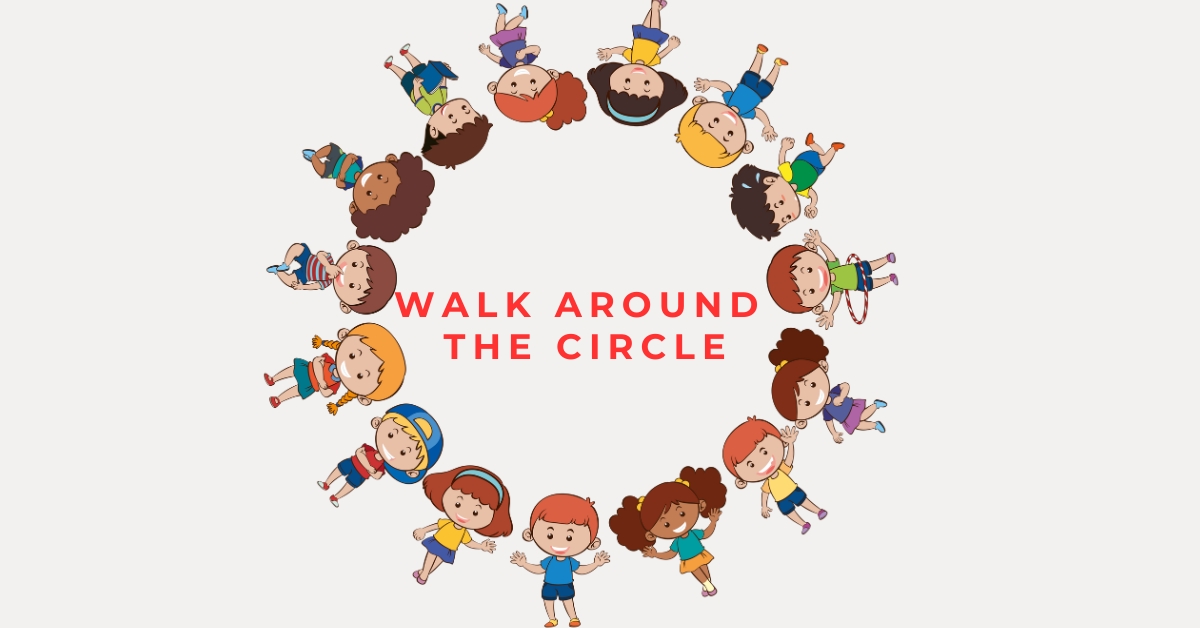
Czytaj dalej: Let’s walk around the circle!Absolutely amazing game for young learners! Children walk around a circle while music plays and stop when the music pauses. When the music stops, they must look at the picture they are standing on and create or say a word related to that picture. For more advanced children, instead of just saying a word, they could use the word in…
-
Ready to play BINGO?
Czytaj dalej: Ready to play BINGO?A Bingo game is excellent for young learners because it makes vocabulary practice fun and engaging, encouraging active listening and word recognition. The game format helps reinforce language skills through repetition, making it easier for children to retain new words. Bingo can be easily adapted to different themes and levels, keeping students motivated and focused. Have a look at Phonics…